
Arts Funding and the Skills We Forget to Measure
When schools cut arts funding, they often lose skills that tests do not measure well.
Music, theater, visual art, and dance teach students to practice, revise, collaborate, observe, and express emotion. These are not extra skills; they are human skills.
On campus, this kind of issue often appears in ordinary moments: conversations after class, late-night scrolling, group projects, dorm life, and the quiet comparisons students rarely admit out loud.
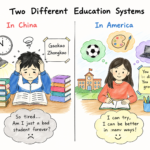
Arts programs are often treated as less serious than science or math, especially when budgets shrink. Students from wealthier families can still access private lessons, while others lose the chance completely.
Supporting the arts does not mean rejecting academic rigor. Creativity and discipline can exist together. A student who learns to perform or create also learns persistence and feedback.
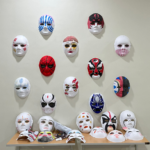
Schools should fund arts as part of a complete education. Communities can partner with local artists, create exhibitions, and make performance spaces accessible.
Not everything valuable fits neatly on a standardized test. Education should prepare students not only to work, but also to imagine.