

Smart Watches Need Clear Sensor-Failure Warnings
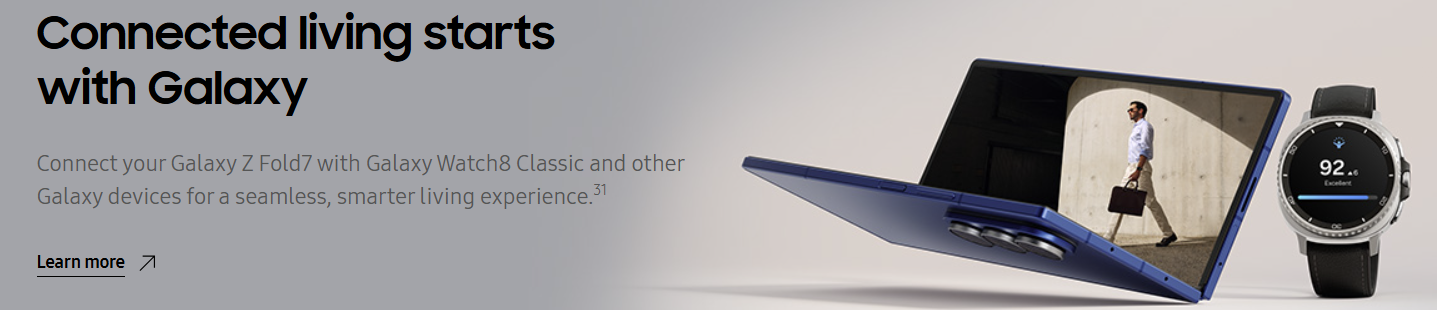
A runner glanced at a smart watch and saw an unusually low heart-rate reading during exercise. The number looked precise, but the sensor had shifted on a sweaty wrist and was no longer making reliable contact. The device displayed the result without explaining that the reading might be inaccurate.
Wearable devices can encourage activity and help people notice patterns in sleep, pulse, movement, and other measurements. Their usefulness depends on users understanding when the sensor is working well and when the number is only an uncertain estimate.
A watch should show a clear warning when contact is poor, motion is excessive, the skin is unusually cold, or the sensor has not collected enough data. The message should appear beside the reading rather than inside a distant help page. A blank or uncertain result is safer than a confident number produced under weak conditions.
Manufacturers should also explain which measurements are intended for general wellness and which have been evaluated for medical use. Users may assume that every graph has the same reliability because the interface presents them with similar colors and precision.
Error histories could help identify a loose band, damaged sensor, or repeated failure during certain activities. The device should recommend practical steps such as cleaning the sensor, adjusting the fit, resting briefly, or seeking professional advice when symptoms do not match the display.
A wearable should support judgment rather than replace it. Clear sensor-failure warnings would reduce unnecessary alarm, prevent false reassurance, and make health data more honest. Precision on a screen should reflect the quality of the measurement, not merely the ability of software to display a number with several digits.
Independent testing should include different skin tones, wrist sizes, activities, and environmental conditions so warnings reflect the people who actually use the device.
Users should also be able to mark a reading as obviously incorrect, helping the device separate sensor problems from genuine changes without allowing personal corrections to overwrite the original measurement history.
A. Ferreiro